


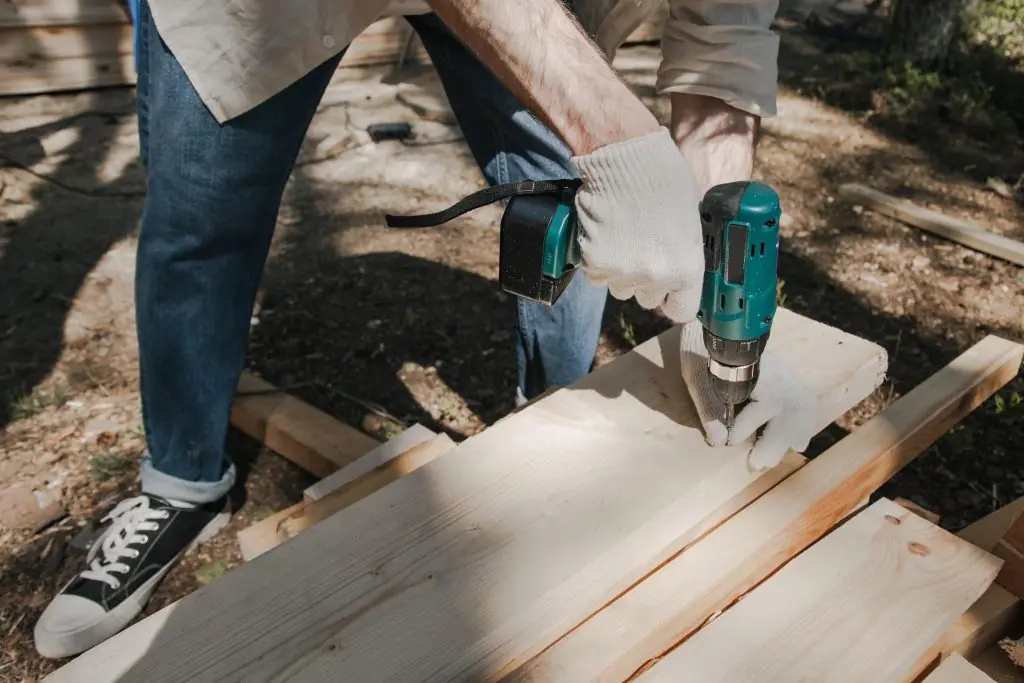
Skilled DIY enthusiasts can turn their home repair experience into a profitable side hustle or full-time handyman business. If you’re comfortable fixing doors, patching drywall, installing shelves, or tackling household maintenance, you already have a valuable foundation. The challenge isn’t necessarily learning more repairs. It’s figuring out which skills customers will pay for, how to charge fairly, and when you’re ready to work professionally.
Fortunately, you don’t need to launch a large operation immediately. Starting with manageable projects allows you to test demand, improve your estimating skills, and build a reputation without abandoning your current income.
The Short Version: Start Small, Build Smart
Turning DIY experience into paid work requires three things: dependable workmanship, clear pricing, and customer trust. Begin with repairs you’ve mastered, establish the necessary business protections, and document your results. Consistent service and positive referrals can eventually support a more substantial income.
Are Your Skills Ready for Someone Else’s House?
Being handy around your own home doesn’t automatically mean you’re ready for customers. Paying clients expect reliable results, reasonable timelines, and someone who takes responsibility when complications arise.
Consider whether you can diagnose problems without guessing, explain your approach clearly, and complete repairs without repeated attempts. Your ability to recognize work beyond your expertise matters just as much.
Practice estimating how long familiar jobs take. If replacing a door latch routinely takes 30 minutes, that’s useful information. If every project produces unexpected setbacks, gain more experience before accepting payment.
Remember that customers aren’t simply purchasing repairs. They’re paying to have problems solved without creating new ones.
Which Home Repairs Offer the Best Starting Opportunities?
Small household maintenance jobs are a practical entry point because homeowners often lack the time, equipment, or confidence to handle them.
- Drywall repairs: Patching holes, repairing minor surface damage, and preparing walls for painting.
- Door adjustments: Fixing sticking doors, replacing handles, and repairing hinges.
- Furniture assembly: Putting together desks, cabinets, bed frames, and shelving.
- Painting and touch-ups: Refreshing rooms, repairing trim finishes, and covering scuffs.
- Basic fixture maintenance: Replacing cabinet hardware, repairing screens, and handling simple nonregulated installations.
- Exterior upkeep: Repairing fence boards, refreshing caulk, and performing seasonal maintenance.
These are common handyman service categories, although actual demand varies by neighborhood and season.
Avoid electrical, plumbing, structural, or other regulated work unless you have the qualifications and legal authorization required locally.
What Should You Charge? A Practical Pricing Breakdown
Underpricing is tempting when you’re new. Unfortunately, charging only for hands-on labor ignores travel, supplies, insurance, equipment wear, and administrative time.
| Pricing method | Best suited for | Important consideration |
| Hourly rate | Unpredictable troubleshooting | Explain minimum charges |
| Flat project fee | Familiar, clearly defined repairs | Estimate labor accurately |
| Minimum service fee | Short appointments | Cover travel and setup |
| Half-day rate | Several small repairs at one property | Define included work |
| Materials plus labor | Supply-heavy projects | Itemize expenses clearly |
Start by researching established local competitors and calculating your operating costs. For example, a two-hour repair might require another hour for driving, purchasing supplies, and invoicing.
Set rates that cover your total working time, not just the minutes spent holding a drill.
As experience grows, review which services generate worthwhile returns. Better estimates, fewer callbacks, and stronger customer relationships can justify higher prices.
Make the Business Official Before Booking Customers
Once homeowners begin paying for your services, you’re operating beyond the realm of casual DIY. It’s worth examining whether a sole proprietorship, LLC, or another business structure suits your circumstances. Check municipal and state licensing requirements, investigate general liability insurance, and establish a straightforward system for recording payments, receipts, mileage, and expenses. ZenBusiness provides a step-by-step guide to launching a handyman operation, including business formation, permits, insurance, and pricing. Addressing these essentials early helps prevent administrative headaches as your workload expands.
Your First Five Paying Jobs: A Simple Launch Plan
Building a customer base is easier when you follow a repeatable process.
- Choose three services. Focus on repairs you can perform confidently and legally.
- Prepare your equipment. Check tool condition, safety supplies, and transportation.
- Create written estimates. Specify the work, price, materials, and expected completion.
- Document completed projects. With customer permission, photograph results for a simple portfolio.
- Request honest reviews. Encourage satisfied customers to describe their experience and recommend you.
After five jobs, compare estimated hours against actual hours. Identify which tasks were profitable and which caused unnecessary delays.
That information is more useful than guessing what your business might become.
Common Questions About Going Professional
Do I need professional training to become a handyman?
Not necessarily. Many general maintenance skills are developed through practical experience. However, specialized work may require formal training, certification, or licensing.
Can handyman work remain a weekend side hustle?
Absolutely. Limiting appointments to specific days can help you manage demand while retaining your primary job. Just communicate availability clearly.
When should I consider working full-time?
Consider transitioning when repeat customers, consistent bookings, and reliable profits demonstrate that the business can cover living expenses, taxes, and operating costs.
A Reliable Place to Research the Trade
Before making a career change, explore the U.S. Bureau of Labor Statistics’ Occupational Outlook Handbook. Its profile of general maintenance and repair workers explains typical responsibilities, workplace conditions, training pathways, and employment projections.
It’s a useful reality check for anyone comparing independent handyman work with traditional maintenance employment.
Strong DIY skills can open the door to meaningful extra income, but professionalism turns occasional jobs into a sustainable business. As demand grows, let actual earnings and customer feedback guide your next move. Your toolbox may already contain much of what you need to begin.

